Every Night, Your Brain Creates an Entire World
You are running through a forest.
Suddenly, you are flying above a city.
Moments later, you are talking to someone who passed away years ago.
Then you wake up.
Although these experiences feel incredibly real, they exist only inside your brain.
Dreams have fascinated philosophers, psychologists, and neuroscientists for thousands of years. Ancient civilizations believed dreams were messages from the gods or glimpses into the future. Today, neuroscience offers a different perspective.
Dreams are not supernatural—they are the product of one of the brain’s most mysterious and active states.
What Is a Dream?
A dream is a series of thoughts, images, emotions, and sensations that occur during sleep.
Some dreams are vivid and emotional, while others are confusing, fragmented, or quickly forgotten.
Although dreams can occur during different stages of sleep, they are most commonly associated with Rapid Eye Movement (REM) sleep, when brain activity becomes surprisingly similar to that of an awake person.
During REM sleep, the brain is highly active even though most of the body’s muscles are temporarily paralyzed, preventing us from physically acting out our dreams.
The Sleeping Brain Is Far From Inactive
Many people imagine sleep as a time when the brain simply shuts down.
The opposite is true.
Throughout the night, the brain continues working continuously.
It regulates breathing and heart rate, processes memories, organizes information, repairs cells, and generates dreams.
Different sleep stages serve different purposes, and together they support both physical and mental health.
What Happens During REM Sleep?
REM sleep is one of the most fascinating stages of the sleep cycle.
During REM sleep:
- Brain activity increases dramatically.
- Most dreaming occurs.
- Rapid eye movements appear beneath closed eyelids.
- Emotional processing becomes highly active.
- Voluntary muscles are temporarily inhibited.
Interestingly, the brain during REM sleep can be almost as active as it is during wakefulness.
This explains why dreams often feel vivid and emotionally intense.
Which Brain Regions Are Active During Dreams?
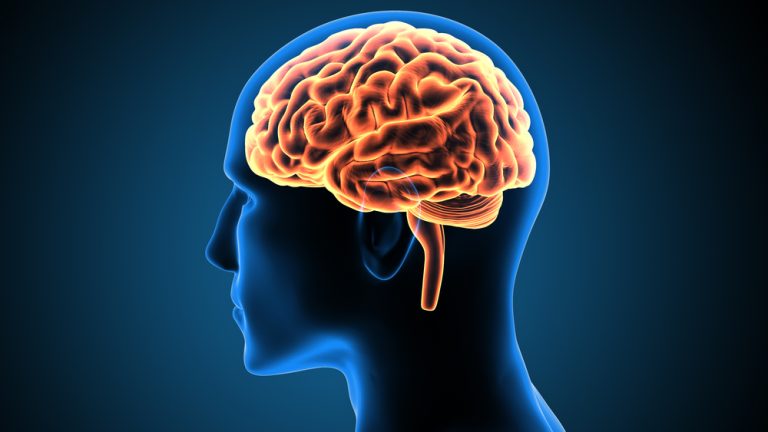
Neuroscientists have identified several brain areas that become especially active during dreaming.
The Limbic System
The limbic system, which processes emotions, becomes highly active during REM sleep.
This may explain why dreams often contain strong emotional experiences such as fear, excitement, happiness, or sadness.
The Visual Cortex
Even though our eyes are closed, the visual cortex remains highly active, creating the vivid images we experience in dreams.
The brain is essentially generating its own internal movie.
The Hippocampus
The hippocampus, a region involved in memory formation, also participates in dreaming.
This may explain why dreams often combine recent experiences with memories from many years ago.
The Prefrontal Cortex
Interestingly, parts of the prefrontal cortex, responsible for logical reasoning and critical thinking, become less active during REM sleep.
As a result, we often accept bizarre dream events without questioning them.
Flying through the sky or talking to fictional characters seems perfectly normal—until we wake up.
Why Do We Dream?
Despite decades of research, scientists still debate the exact purpose of dreams.
Several theories have been proposed.
Memory Consolidation
One of the leading theories suggests that dreaming helps organize and strengthen memories.
During sleep, the brain reviews experiences from the day, reinforcing important information while weakening less useful memories.
Dreams may reflect this ongoing process of memory consolidation.
Emotional Processing
Dreams may help us process difficult emotions.
Some researchers believe that dreaming allows the brain to revisit emotional experiences in a safe environment, reducing their intensity over time.
This may explain why emotionally significant events often appear in dreams.
Problem Solving and Creativity
Many famous discoveries and creative ideas have reportedly emerged from dreams.
During sleep, the brain freely combines ideas in unusual ways, sometimes producing original solutions that might not appear during waking thought.
Researchers believe dreaming may encourage creative thinking by allowing flexible connections between memories.
Threat Simulation
Another theory proposes that dreams evolved as a form of mental practice.
By simulating dangerous situations, the brain may prepare us to respond more effectively to real-life threats.
Although this idea remains debated, it offers an interesting explanation for why so many dreams involve danger, escape, or conflict.
Why Do We Forget Most Dreams?
Many dreams disappear within minutes of waking.
One reason is that the brain regions responsible for forming long-term memories are less active during REM sleep than during wakefulness.
In addition, once we wake up, our attention quickly shifts to the outside world, making dream memories fade rapidly.
If you want to remember your dreams, writing them down immediately after waking can significantly improve recall.
Can Dreams Predict the Future?
Throughout history, people have believed that dreams contain hidden messages or predictions.
Modern neuroscience has found no scientific evidence that dreams can reliably predict future events.
However, dreams often reflect our concerns, goals, memories, and emotions.
Because the brain continuously analyzes information, dreams may occasionally produce insights or solutions that later seem surprisingly accurate.
This is very different from predicting the future.
What Are Lucid Dreams?
Sometimes people become aware that they are dreaming while the dream is still happening.
This phenomenon is known as lucid dreaming.
During a lucid dream, some individuals can even influence the storyline or consciously control their actions.
Brain imaging studies suggest that lucid dreaming involves increased activity in parts of the prefrontal cortex, allowing greater self-awareness than during ordinary dreams.
Scientists continue to investigate how and why lucid dreaming occurs.
What Do Dreams Teach Us About the Brain?
Dreams reveal that the brain never truly rests.
Even while disconnected from the external world, it continues creating stories, organizing memories, processing emotions, and exploring countless possibilities.
Studying dreams has helped neuroscientists better understand:
- Memory formation
- Emotional regulation
- Sleep biology
- Consciousness
- Creativity
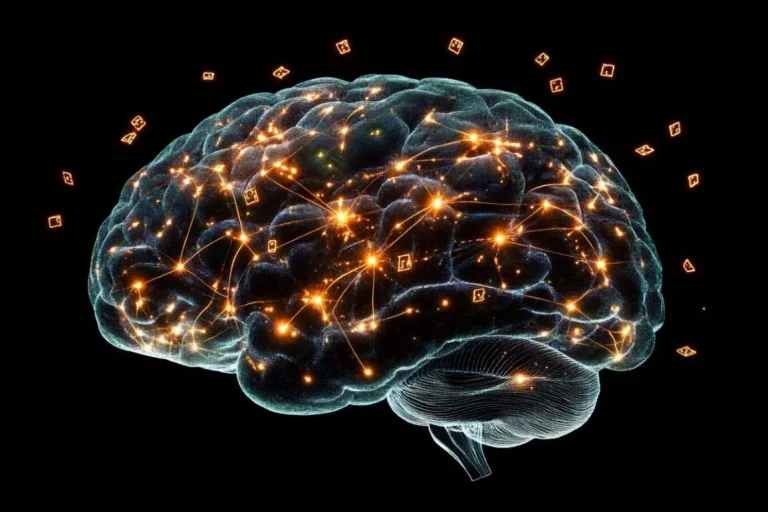
- Brain network activity
Although many questions remain unanswered, dreams provide a unique window into the hidden workings of the human mind.
Conclusion
Dreams are among the most mysterious products of the human brain. They blend memory, imagination, emotion, and perception into experiences that can be joyful, frightening, confusing, or deeply meaningful.
While neuroscience has uncovered many of the brain mechanisms involved in dreaming, the exact purpose of dreams remains one of science’s greatest unanswered questions. What is clear, however, is that dreaming is not a meaningless byproduct of sleep—it reflects the extraordinary activity of a brain that continues learning, adapting, and processing information even while we are asleep.
Every night, as we close our eyes, the brain begins one of its most remarkable performances—creating worlds that exist nowhere else except within our own minds.