Can Moving Your Body Make Your Brain Work Better?
We usually think of exercise as something that benefits our muscles, heart, and physical health.
But what if exercise also trains the brain?
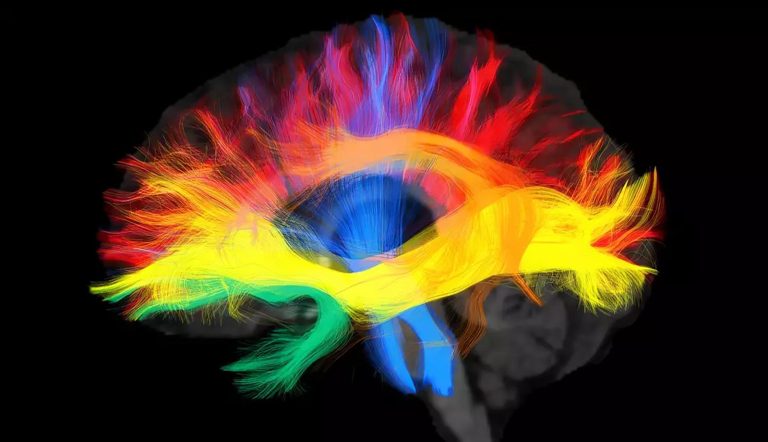
Over the past several decades, neuroscience research has revealed a fascinating connection between physical activity and brain function. Regular exercise can influence memory, attention, mood, learning, and even the structure of the brain.
You don’t need to become an athlete to benefit. Even moderate physical activity can affect the brain in meaningful ways.
So, how does exercise change the brain?
What Happens to the Brain During Exercise?
When you exercise, your heart pumps more blood throughout the body—including the brain.
Increased blood flow delivers oxygen and nutrients that neurons need to function properly.
At the same time, physical activity triggers the release of several molecules involved in brain health.
One of the most important is brain-derived neurotrophic factor (BDNF).
BDNF supports the growth, survival, and maintenance of neurons and plays an important role in learning and memory.
For this reason, researchers sometimes describe BDNF as a kind of “fertilizer” for the brain.
Exercise and Neuroplasticity
One of the brain’s most remarkable properties is neuroplasticity—its ability to change in response to experience.
Neuroplasticity allows the brain to:
- Strengthen neural connections
- Create new connections
- Reorganize existing networks
- Adapt to new challenges
Exercise appears to support these processes.
Regular physical activity can increase factors associated with synaptic plasticity, making the brain more capable of adapting to new information and experiences.
This may partly explain why exercise is associated with better cognitive performance.
Can Exercise Improve Memory?
One of the strongest areas of research concerns the relationship between exercise and memory.
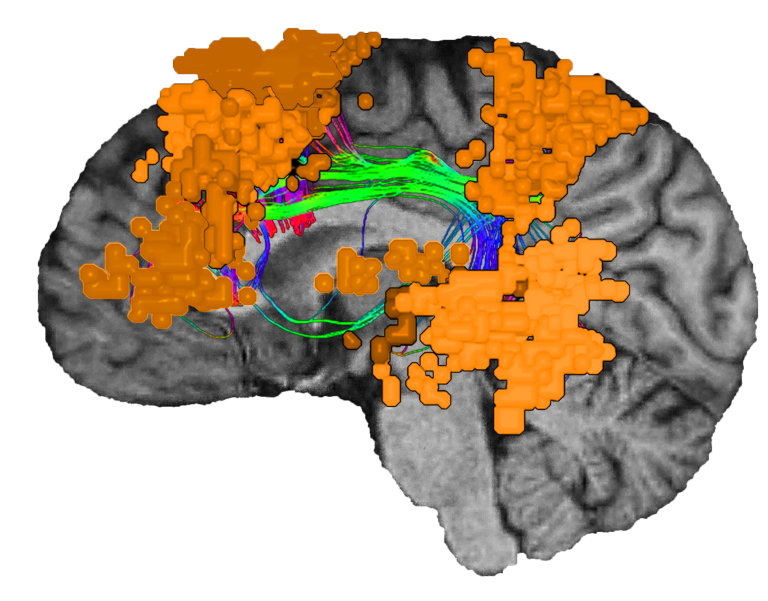
The hippocampus, a brain structure strongly involved in learning and memory, is particularly sensitive to physical activity.
Studies have found that regular aerobic exercise can be associated with improvements in hippocampal function and, in some populations, hippocampal volume.
This is especially interesting because the hippocampus is one of the brain regions that can be affected by normal aging.
Exercise may therefore help maintain memory-related brain systems as we grow older.
Exercise and Learning
Physical activity may also influence how effectively we learn.
Learning requires several cognitive processes, including:
- Attention
- Working memory
- Information processing
- Memory consolidation
Exercise can influence these systems through changes in blood flow, neurotransmitter activity, stress regulation, and neuroplasticity.
Some research suggests that exercising before or around a learning session may improve certain aspects of cognitive performance.
However, the effects vary depending on the type, intensity, and timing of exercise.
Why Does Exercise Affect Mood?
The brain benefits of exercise are not limited to cognition.
Physical activity also affects emotional regulation.
Exercise influences neurotransmitter systems involving substances such as:
- Dopamine
- Serotonin
- Norepinephrine
- Endorphins
These chemical systems are involved in motivation, reward, mood, and emotional regulation.
Exercise may also reduce stress responses and help regulate the body’s response to psychological challenges.
This is one reason physical activity is frequently associated with better mood and reduced symptoms of anxiety and depression.
Exercise and Stress
Chronic stress can negatively affect several brain systems, particularly those involved in memory and emotional regulation.
High and prolonged exposure to stress hormones such as cortisol can interfere with cognitive processes.
Regular physical activity may help regulate the body’s stress-response system.
Over time, exercise can make the brain and body more resilient to stress.
This doesn’t mean exercise eliminates stress, but it can become one useful component of a broader strategy for managing it.
Can Exercise Make You Smarter?
This question requires some caution.
Exercise does not magically increase intelligence or turn someone into a genius.
However, research suggests that regular physical activity can support cognitive abilities such as:
- Executive function
- Attention
- Processing speed
- Memory
- Cognitive flexibility
These abilities influence how effectively we learn, solve problems, and adapt to new situations.
So rather than “making you smarter,” exercise may help your brain perform more efficiently.
What About Children and Teenagers?
Physical activity is also important during brain development.
Children and adolescents experience major changes in brain structure and connectivity.
Regular physical activity has been associated with aspects of cognitive performance, executive function, academic performance, and mental well-being in young people.
Exercise may therefore contribute not only to physical development but also to healthy brain development.
Exercise and the Aging Brain
As we age, certain cognitive abilities and brain structures may gradually change.
This makes maintaining brain health increasingly important.
Research suggests that regular physical activity is associated with a lower risk of cognitive decline and may support brain health in older adults.
Aerobic exercise, resistance training, balance activities, and other forms of movement can all contribute to overall health.
The important point is that it’s never too late to become more physically active.
Does the Type of Exercise Matter?
Different forms of exercise may affect the brain in different ways.
Aerobic Exercise
Activities such as:
- Walking
- Running
- Cycling
- Swimming
increase cardiovascular activity and have been extensively studied in relation to cognitive health.
Resistance Training
Weight training and resistance exercises can improve physical strength while also contributing to overall metabolic and brain health.
Coordination-Based Activities
Activities that require complex coordination—such as dancing, martial arts, or certain sports—combine physical movement with attention, memory, and motor planning.
This makes them particularly interesting from a neuroscience perspective.
How Much Exercise Do You Need?
There is no single amount of exercise that guarantees better cognitive performance.
However, public-health guidelines generally recommend that adults engage in regular moderate-to-vigorous physical activity each week, along with muscle-strengthening activities.
The key is consistency.
You don’t need an extreme workout routine.
A regular walking habit may be more beneficial than an intense exercise program that you abandon after two weeks.
Exercise Is Not a Replacement for Sleep or Learning
It’s important not to think of exercise as a magic solution for brain health.
The brain works best when several factors are combined.
Healthy brain aging is influenced by:
- Physical activity
- Quality sleep
- Social interaction
- Learning and mental stimulation
- Nutrition
- Cardiovascular health
- Stress management
Exercise is one piece of a much larger picture.
The Fascinating Connection Between Body and Brain
For a long time, the brain was treated almost like an organ separate from the rest of the body.
Modern neuroscience tells us otherwise.
The brain is deeply connected to the cardiovascular system, muscles, hormones, immune system, and metabolism.
When you move your body, your brain receives information and chemical signals that can influence how it functions and adapts.
In this sense, exercising the body can also be a way of supporting the brain.
Conclusion
Exercise is much more than a tool for building stronger muscles.
Regular physical activity can influence blood flow, neuroplasticity, BDNF, stress regulation, mood, memory, and several aspects of cognitive function.
It does not make us magically smarter, but it can help create biological conditions in which the brain can learn, adapt, and function more effectively.
Perhaps the most important lesson from neuroscience is surprisingly simple:
Your brain is part of your body—and taking care of one means taking care of the other.
The next time you go for a walk, run, cycle, or workout, remember that you’re not only training your body.
You’re giving your brain a workout, too.