Imagine Knowing Exactly What You Want to Say—but Being Unable to Say It
You recognize the people around you. You know what you want to communicate. The thoughts are clear in your mind.
But when you try to speak, the words refuse to come.
For millions of people living with aphasia, this is a daily reality. Aphasia is one of the most fascinating and heartbreaking neurological disorders because it affects one of the defining features of being human: language.
More importantly, the study of aphasia has transformed our understanding of how the brain processes speech, comprehension, reading, and writing.
What Is Aphasia?
Aphasia is an acquired language disorder caused by damage to the language networks of the brain. It most commonly occurs after a stroke, but it can also result from traumatic brain injury, brain tumors, infections, or neurodegenerative diseases.
Depending on the location and severity of the damage, people with aphasia may experience difficulties with:
- Speaking
- Understanding spoken language
- Reading
- Writing
- Finding the right words
One important misconception should be addressed immediately:
Aphasia does not affect intelligence.
Most individuals with aphasia know exactly what they want to say. Their challenge lies in accessing or producing language—not in thinking itself.
The Patient Who Changed Neuroscience Forever
One of the most influential stories in the history of neuroscience began in the mid-19th century with a French surgeon named Paul Broca.
Broca examined a patient known simply as “Tan.”
For many years, Tan could understand conversations and appeared intellectually intact. However, he was almost completely unable to speak. In fact, the only syllable he could reliably produce was the word “tan,” which eventually became his nickname.
After Tan’s death in 1861, Broca examined his brain and discovered damage in the left frontal lobe.
This observation led to a revolutionary conclusion:
Specific brain regions are responsible for specific language functions.
The damaged area is now known as Broca’s area, one of the most famous regions in neuroscience.
Broca’s Aphasia: When Speaking Becomes a Struggle
Damage to Broca’s area typically results in Broca’s aphasia, also called non-fluent aphasia.
People with Broca’s aphasia usually:
- Speak slowly and with great effort
- Produce short, incomplete sentences
- Omit grammatical words
- Have relatively good language comprehension
- Are aware of their speech difficulties
For example, instead of saying:
“I went to the grocery store with my daughter this morning.”
A person with Broca’s aphasia might say:
“Morning… daughter… store.”
Although the sentence is incomplete, the intended meaning is often understandable.
A Different Kind of Language Disorder
A few years after Broca’s discovery, German neurologist Carl Wernicke described another group of patients whose symptoms were almost the opposite.
These individuals spoke fluently and effortlessly, but their sentences often lacked meaningful content. They also had significant difficulty understanding spoken language.
After studying their brains, Wernicke identified damage in the posterior part of the left temporal lobe.
This region became known as Wernicke’s area.
Wernicke’s Aphasia: Fluent but Meaningless Speech
People with Wernicke’s aphasia can produce long, grammatically well-formed sentences that sound normal at first.
However, the words may be unrelated or even invented, making the overall message difficult or impossible to understand.
For example, when asked,
“What did you do today?”
a person with Wernicke’s aphasia might respond:
“Well, the sunny books were flying because the little windows wanted tomorrow.”
The speech is fluent, but the intended meaning has been lost.
Interestingly, many individuals with Wernicke’s aphasia are unaware that their speech is difficult for others to understand.
Is Language Located in Just Two Brain Areas?
For many years, language was explained using a simple model involving Broca’s area and Wernicke’s area.
Modern neuroscience has shown that this picture is incomplete.
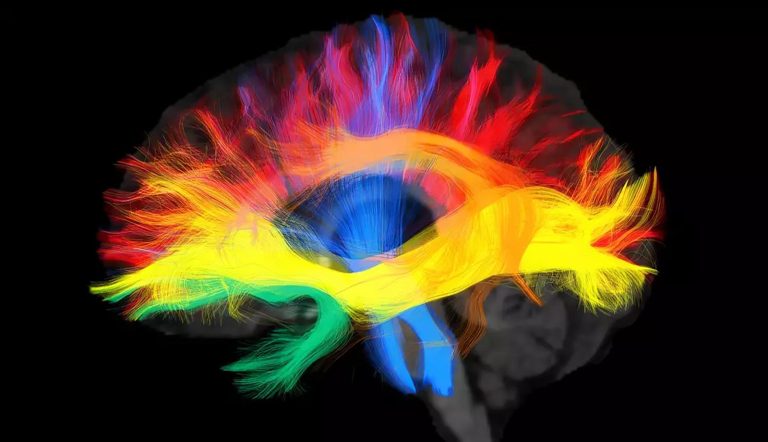
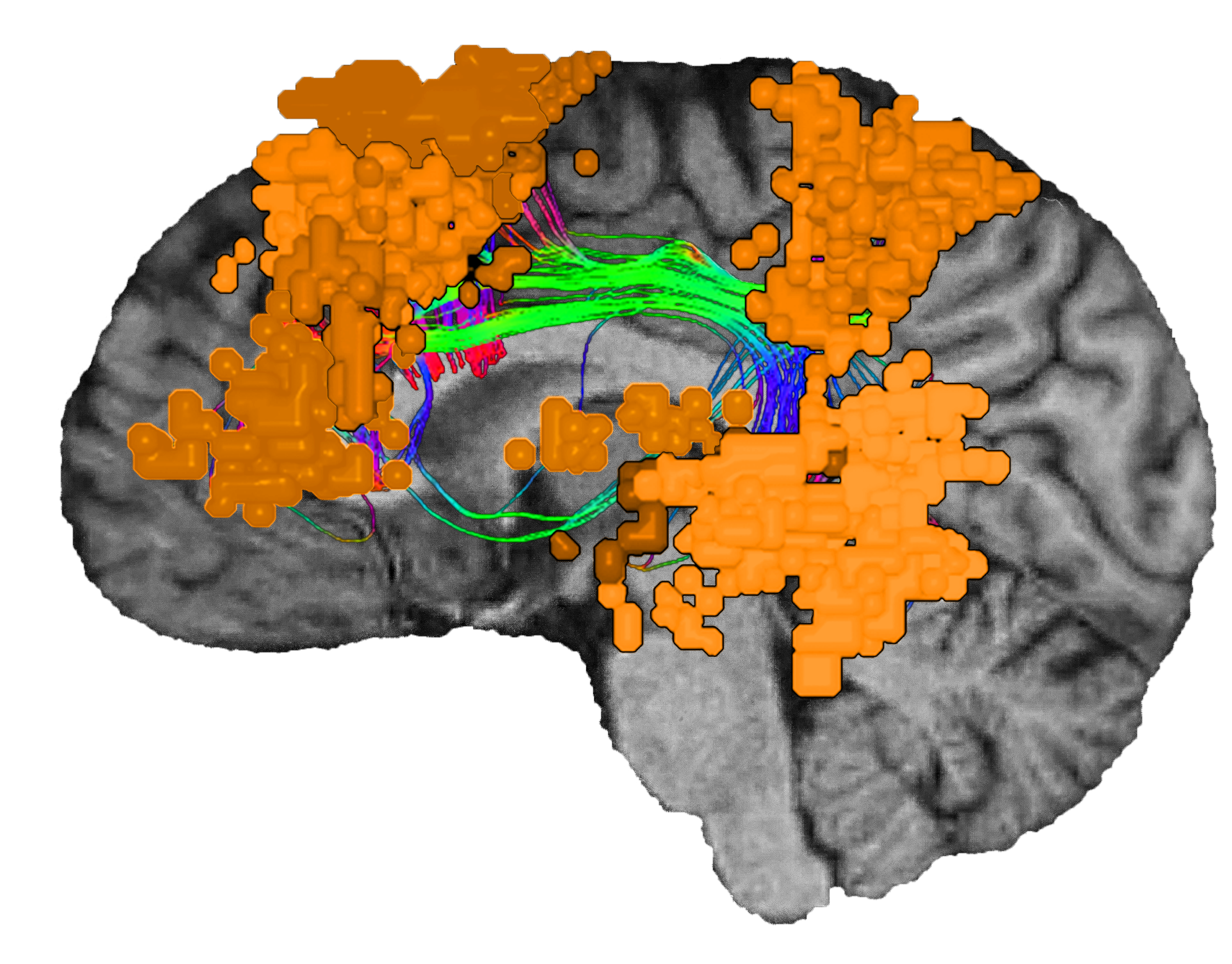
Today, researchers understand that language depends on a distributed neural network involving multiple interconnected brain regions.
Different parts of this network contribute to:
- Word retrieval
- Grammar
- Speech production
- Speech comprehension
- Reading
- Writing
- Semantic processing
- Auditory perception
Language is therefore not the product of a single “language center” but of continuous communication among many specialized brain regions.
Can People Recover from Aphasia?
Recovery is often possible, although the extent varies from person to person.
One reason is the brain’s extraordinary ability to reorganize itself—a phenomenon known as neuroplasticity.
Following injury, healthy brain regions can sometimes compensate for damaged areas by forming new neural connections.
Speech-language therapy plays a critical role in this process. Intensive rehabilitation helps patients strengthen existing pathways and develop alternative strategies for communication.
Factors influencing recovery include:
- The size of the brain injury
- The affected brain regions
- Age
- Overall health
- Time between injury and treatment
- Therapy intensity
Many individuals recover significant language abilities, although rehabilitation may continue for months or even years.
Why Is Aphasia So Important to Neurolinguistics?
Aphasia offers researchers a unique opportunity to understand how language is organized in the human brain.
When one part of the language network is damaged while others remain intact, scientists can identify the specific functions performed by different brain regions.
Much of what we know today about speech production, language comprehension, and the neural architecture of language has come from studying people with aphasia.
Without these patients, modern neurolinguistics might look very different.
Conclusion
Aphasia reminds us that language is one of the brain’s most sophisticated achievements.
The stories of patients like Tan revealed, for the first time, that language is rooted in specific neural systems rather than being distributed randomly throughout the brain. Since then, neuroscience has uncovered an increasingly complex picture in which language emerges from the coordinated activity of widespread neural networks.
Perhaps the most inspiring lesson comes from the brain itself. Even after injury, the human brain often finds new ways to adapt, reorganize, and rebuild communication. This remarkable capacity for change reflects one of neuroscience’s most powerful principles: the brain is not a fixed machine—it is a living, dynamic system capable of lifelong adaptation.