In the fascinating world of neuroscience, the language connectome represents one of the most intricate networks in the human brain. This term refers to the comprehensive map of neural connections that enable us to process, produce, and understand language. Moving beyond the classic Broca’s and Wernicke’s areas, modern research reveals language as a distributed system involving multiple brain regions and pathways.
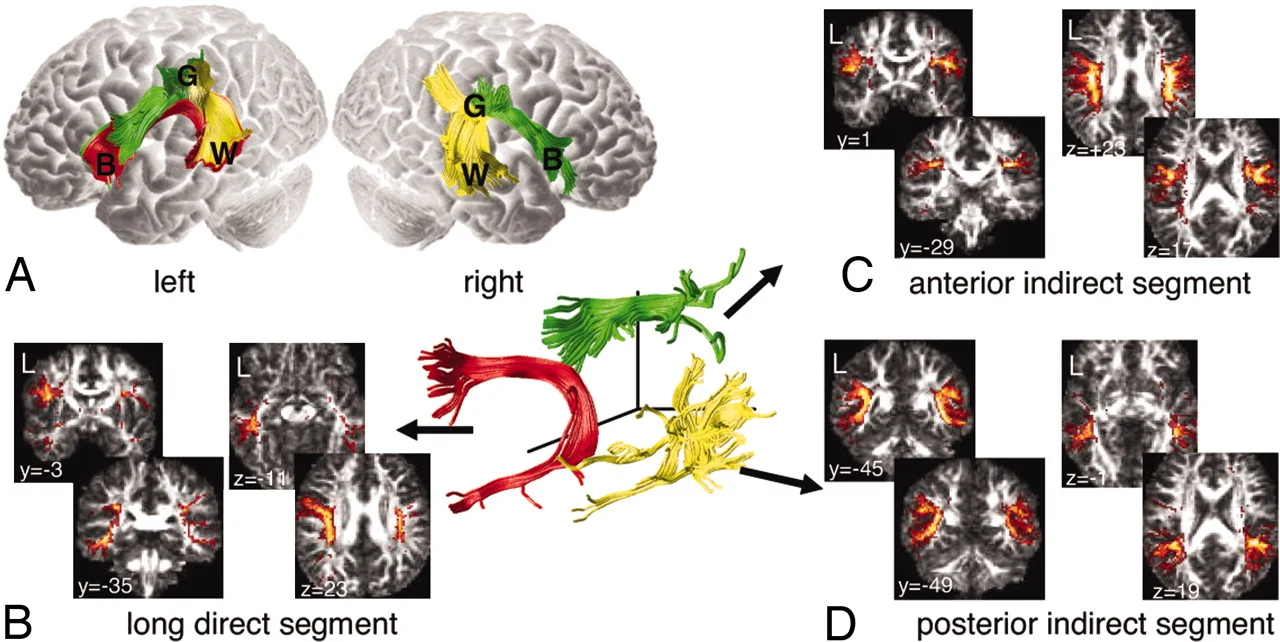
What Is the Language Connectome?
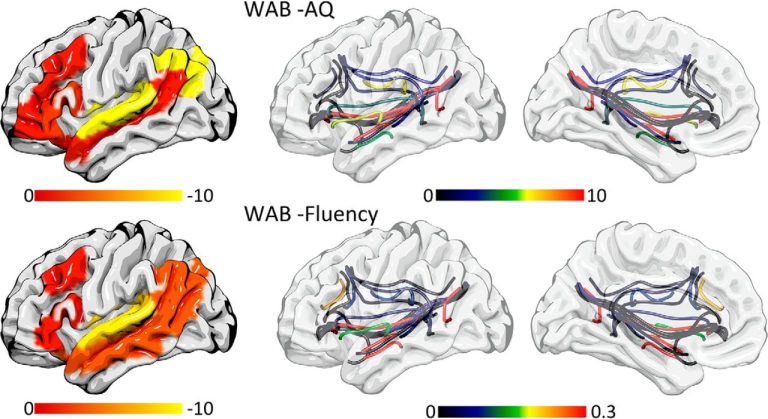
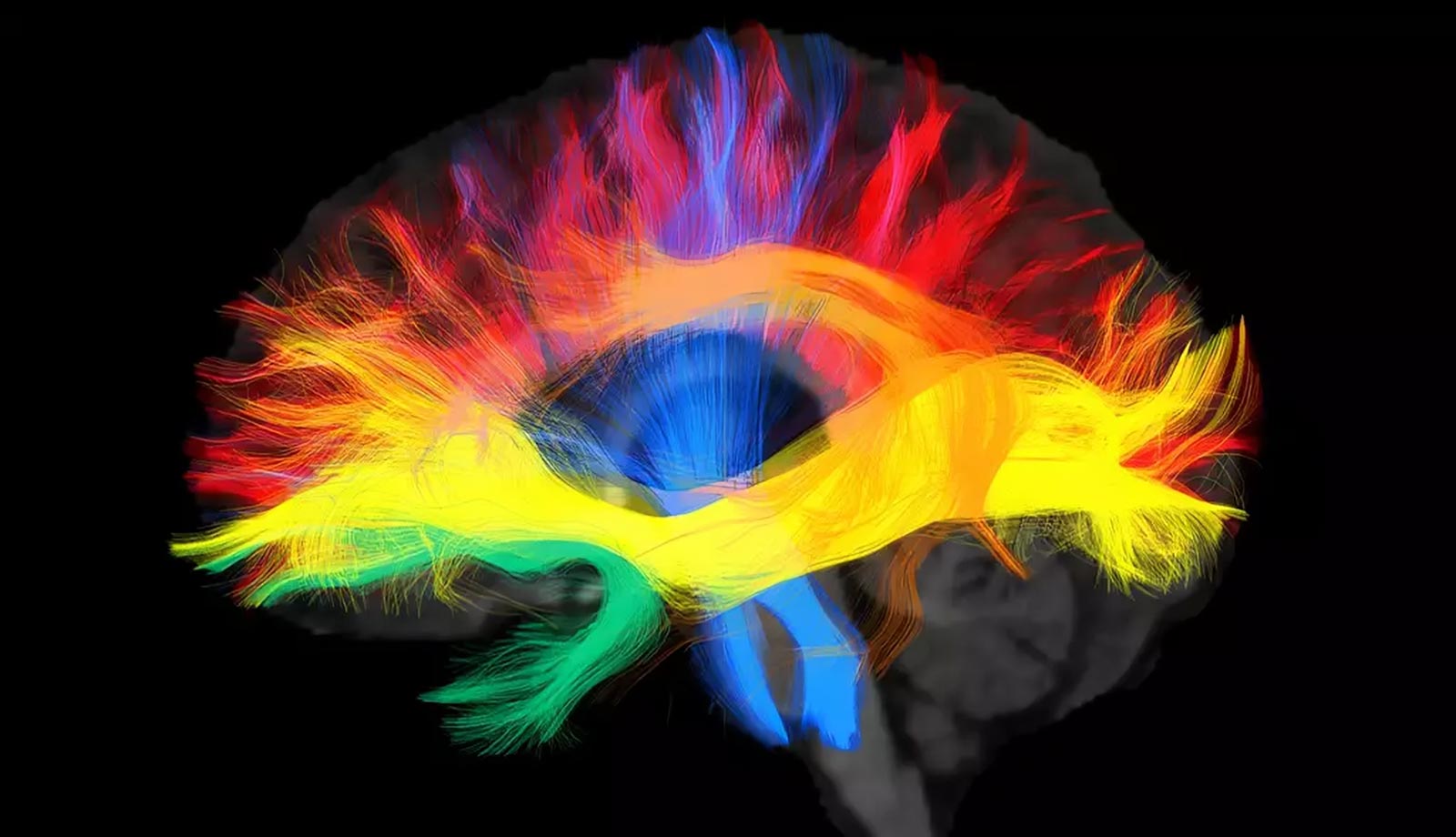
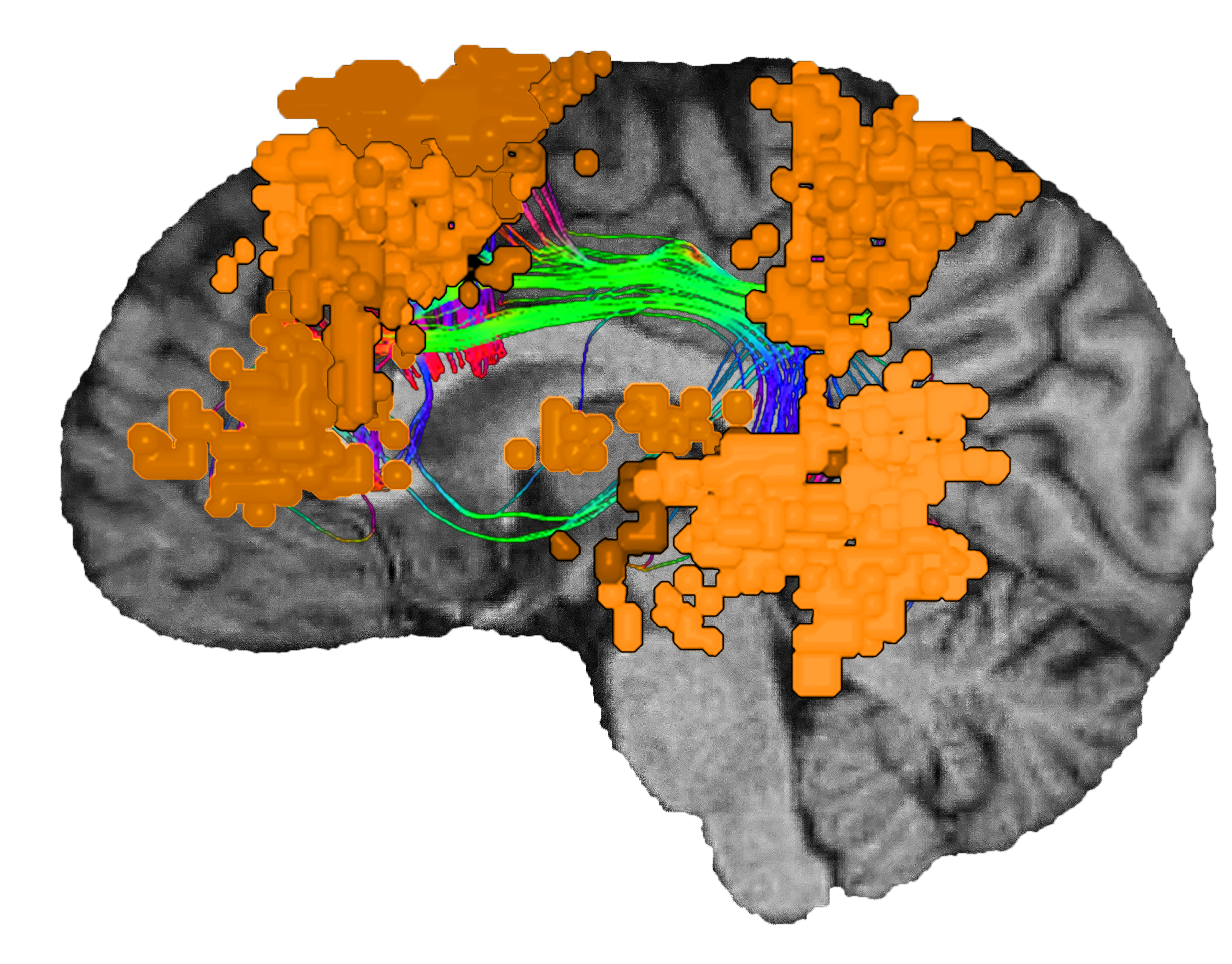
The language connectome is the brain’s “wiring diagram” specifically dedicated to language functions. It includes both structural connectivity (physical white matter tracts) and functional connectivity (how regions communicate during tasks).
Key advancements in neuroimaging, such as fMRI and diffusion MRI, have shifted our understanding from the traditional Broca-Wernicke model to a dual-stream framework:
- Dorsal Stream: Involved in sound-to-motor mapping, syntax, and speech production (e.g., via the arcuate fasciculus).
- Ventral Stream: Handles sound-to-meaning mapping, semantics, and comprehension.
These streams interact across cortical and subcortical regions, making language highly integrative.
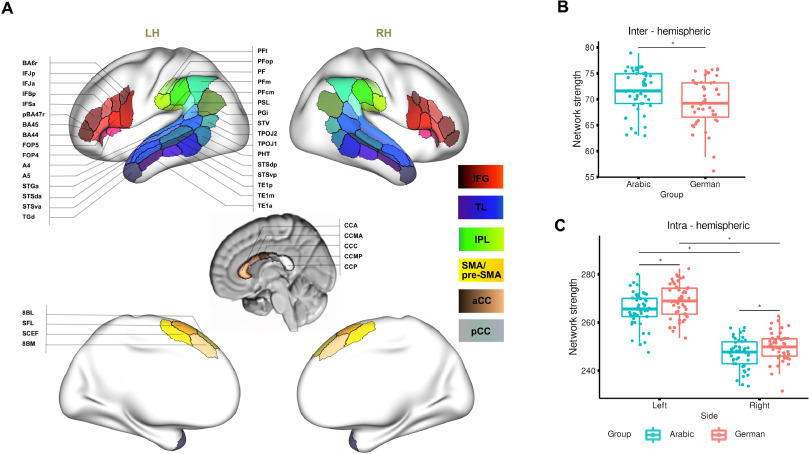
Key Components of the Language Connectome
Recent studies highlight crucial subnetworks:
- Coding-Decoding Network: Handles basic phonological processing.
- Executive Control Network: Manages attention and cognitive control during language tasks.
- Semantic Knowledge Network: Processes meaning and abstract concepts.
- Sensorimotor Network: Links language to action and perception.
The connectome shows flexibility—reconfiguring based on task demands—and variability influenced by age, gender, and even native language.
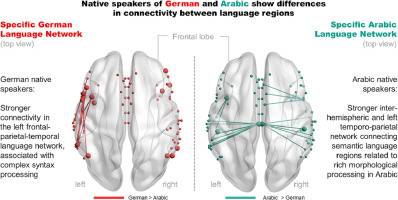
How Your Native Language Shapes the Brain’s Language Connectome
Fascinating research shows that the structural language connectome adapts to your mother tongue. For example:
- Speakers of languages with complex syntax (like German) exhibit stronger dorsal pathway connections.
- Speakers of root-based semantic languages (like Arabic) show enhanced ventral and inter-hemispheric links.
This plasticity demonstrates how lifelong language use molds brain wiring.
Why Understanding the Language Connectome Matters
Insights into the language connectome have implications for:
- Treating aphasia after stroke.
- Understanding developmental language disorders.
- Advancing AI models of human communication.
As neuroscience progresses, mapping this network more precisely could revolutionize education, therapy, and our grasp of human cognition.
Stay tuned for more brain science insights—explore how the language connectome powers your daily conversations!
Sources: Based on peer-reviewed studies from NeuroImage, ScienceDirect, and the Human Connectome Project.