Ever wondered how your brain turns thoughts into words and sounds into meaning? The language connectome is the sophisticated neural network responsible for all aspects of language processing. This intricate web of connections goes far beyond the classic language areas, involving widespread brain regions linked by white matter tracts.
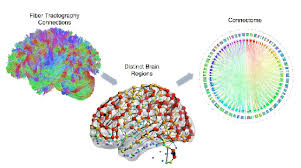
Decoding the Dual-Stream Model of Language Processing
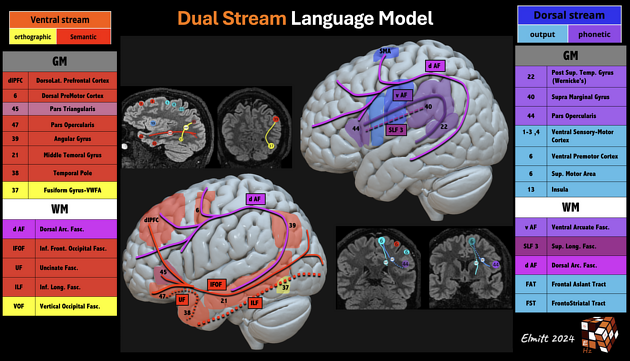
Modern neuroscience describes language through the dual-stream model:
- Dorsal Stream → Focuses on mapping sounds to articulation (speech production, repetition, and phonological processing). Key tract: the arcuate fasciculus.
- Ventral Stream → Handles mapping sounds to comprehension and semantics (understanding meaning and context).
These pathways work in tandem, allowing seamless communication.
Major White Matter Tracts in the Language Connectome
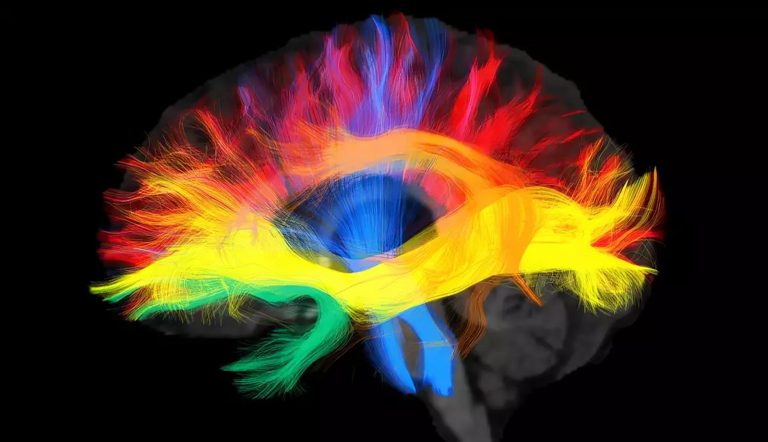
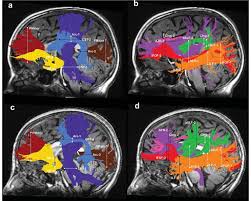
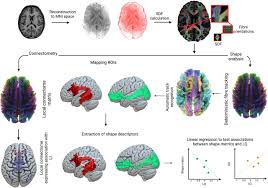
Advanced diffusion MRI has revealed critical pathways:
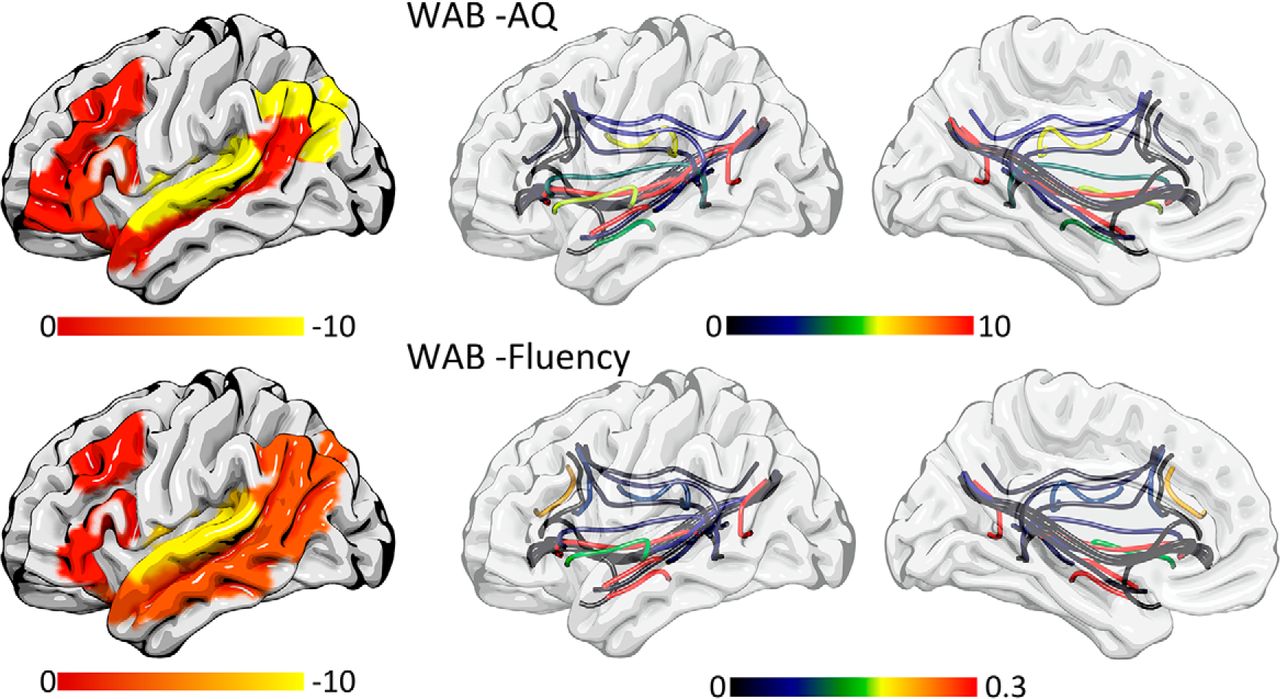
- Arcuate Fasciculus: Connects Broca’s and Wernicke’s areas; essential for the dorsal stream.
- Superior Longitudinal Fasciculus: Supports phonological and articulatory loops.
- Uncinate Fasciculus and Inferior Fronto-Occipital Fasciculus: Bolster the ventral stream for semantic processing.
These tracts form the structural backbone of the language network.
Plasticity and Individual Differences in the Language Connectome
The language connectome isn’t fixed—it adapts throughout life. Bilingual individuals often show enhanced connectivity in control networks. Aging or neurological conditions like stroke can disrupt these pathways, leading to aphasia, but rehabilitation can promote rewiring through neuroplasticity.
Future Implications: From Therapy to Brain-Computer Interfaces
Understanding the language connectome is transforming:
- Personalized stroke recovery and aphasia treatment.
- Improved diagnosis of language disorders in children.
- Inspiration for more human-like AI language models.
As research advances with better imaging and connectomics, we’re unlocking deeper secrets of human communication.
Dive deeper into neuroscience—discover how the language connectome makes every conversation possible!
Sources: Insights drawn from studies in Journal of Neuroscience, Nature Reviews Neuroscience, and connectome mapping projects.