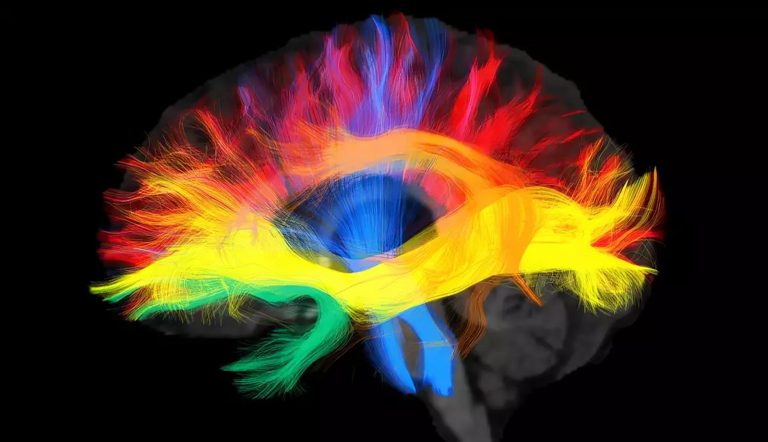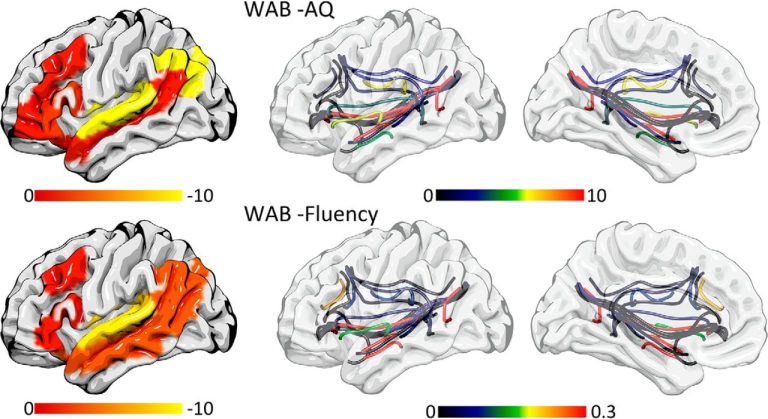
Neurolinguistics provides valuable insights into how the human brain learns, stores, and uses language. By studying brain activity during language learning, researchers and educators can better understand why some methods work better than others. This article explores the role of neurolinguistics in language learning and why it is especially important for learners, teachers, and researchers.
The Brain and Language Learning
Language learning is not just a mental activity—it is a neurological process. When we learn a new language, the brain forms and strengthens neural connections that link sounds, meanings, and grammatical patterns.
Neurolinguistic research shows that:
- Repetition strengthens neural pathways
- Meaningful input improves retention
- Active use of language leads to deeper learning
This explains why immersive and communicative teaching methods are often more effective than rote memorization.
Neuroplasticity: The Brain’s Ability to Adapt
One of the most important concepts in neurolinguistics is neuroplasticity, which refers to the brain’s ability to change and reorganize itself.
- Children have high neuroplasticity, making language acquisition faster and more natural
- Adults have lower plasticity but can still learn languages effectively with the right strategies
- Practice and exposure can physically reshape the brain over time
This means it is never “too late” to learn a new language—consistent input and motivation matter more than age alone.
First Language vs. Second Language Learning
Neurolinguistics distinguishes between first language (L1) and second language (L2) acquisition.
First Language Acquisition
- Happens naturally during early childhood
- Requires no formal instruction
- Involves deep neural integration
Second Language Acquisition
- Often occurs later in life
- Relies more on conscious learning and memory
- Activates both language-specific and general cognitive areas
Brain imaging studies show that highly proficient bilinguals may process both languages in overlapping brain regions.
The Role of Emotion and Motivation
Neurolinguistics also highlights the importance of emotion in language learning.
- Positive emotions enhance memory formation
- Stress and anxiety can block language processing
- Motivation increases dopamine levels, improving learning efficiency
This is why supportive learning environments and confidence-building activities are crucial for success.
Neurolinguistics and Teaching Methods
Understanding how the brain processes language helps educators design more effective teaching approaches, such as:
- Task-based learning
- Communicative language teaching
- Multisensory instruction (listening, speaking, reading, writing)
- Using the learner’s first language strategically when needed
These methods align with how the brain naturally learns and organizes linguistic information.
Bilingualism and the Brain
Neurolinguistic studies show that bilingualism can offer several cognitive benefits:
- Improved attention control
- Better problem-solving skills
- Delayed onset of age-related cognitive decline
Managing multiple languages strengthens executive functions in the brain, making bilingual individuals more cognitively flexible.
Technology and Neurolinguistics in Language Learning
Modern language-learning tools are increasingly influenced by neurolinguistic research:
- AI-powered language apps
- Adaptive learning platforms
- Speech recognition software
- Personalized feedback systems
These technologies aim to match learning patterns with brain-friendly strategies.
Why Neurolinguistics Matters for Language Learners
Neurolinguistics helps learners:
- Understand how their brain learns languages
- Choose effective study strategies
- Reduce frustration and anxiety
- Learn more efficiently and confidently
By working with the brain instead of against it, language learning becomes more natural and sustainable.
Conclusion
Neurolinguistics shows that language learning is a deeply biological process shaped by brain structure, emotion, and experience. Whether you are a student, teacher, or language enthusiast, understanding these principles can transform how you approach learning languages.
As research continues to grow, neurolinguistics will remain a key foundation for effective language education and innovation.
Keywords: neurolinguistics and language learning, brain and language acquisition, neuroplasticity, second language acquisition, bilingual brain, language teaching methods