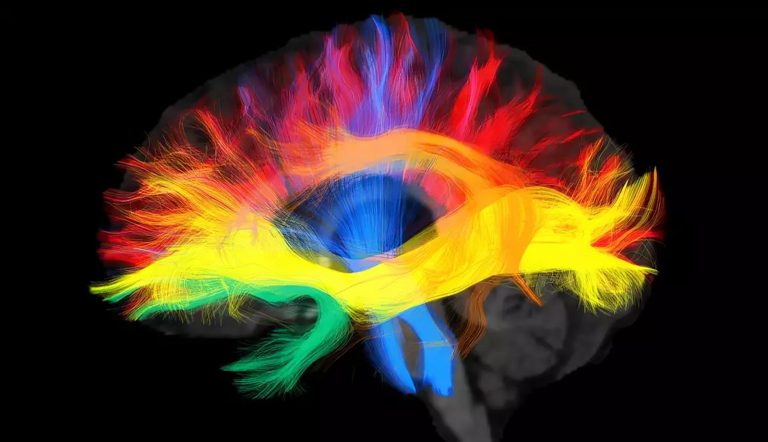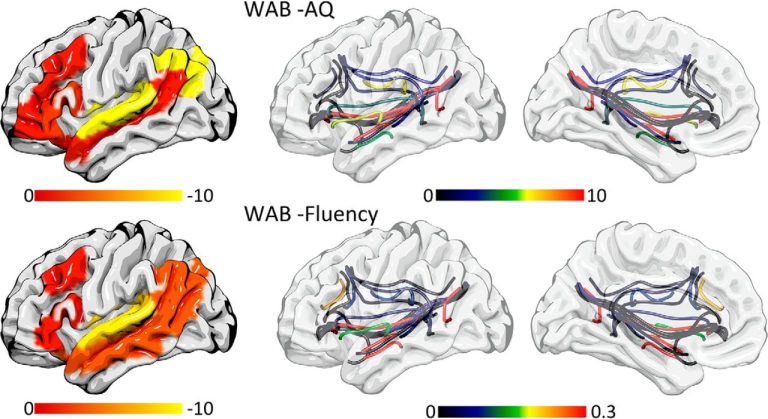
Neurolinguistics is not only about theory—it is also a highly experimental field. To understand how the brain processes language, researchers use advanced scientific methods and technologies that allow them to observe brain activity in real time. In this article, we explore the main research methods in neurolinguistics and explain how scientists study language inside the human brain.
Why Research Methods Matter in Neurolinguistics
Language happens rapidly and mostly unconsciously, making it difficult to study through observation alone. Neurolinguistic methods help researchers:
- Identify brain areas involved in language processing
- Measure timing and speed of language comprehension
- Understand language disorders and recovery
- Test theories of language acquisition and bilingualism
Each method offers a different perspective on how language works neurologically.
Brain Imaging Techniques
Functional Magnetic Resonance Imaging (fMRI)
fMRI measures changes in blood flow in the brain, showing which areas are active during language tasks such as reading or listening.
Advantages:
- High spatial accuracy
- Clear brain images
Limitations:
- Expensive
- Low temporal resolution (timing precision)
Positron Emission Tomography (PET)
PET scans track metabolic activity in the brain using radioactive tracers.
- Useful for studying language disorders
- Less commonly used today due to invasiveness
Electrical Brain Activity Methods
Electroencephalography (EEG)
EEG records electrical signals from the scalp and is widely used in neurolinguistics.
- Excellent for measuring timing of language processing
- Commonly used to study word recognition and sentence processing
Event-Related Potentials (ERP)
ERP is a technique derived from EEG data that focuses on specific brain responses to linguistic stimuli.
Famous ERP components include:
- N400 (semantic processing)
- P600 (syntactic processing)
These components provide strong evidence for how meaning and grammar are processed in the brain.
Behavioral and Experimental Tasks
Not all neurolinguistic research relies on brain scans. Behavioral experiments are equally important.
Common tasks include:
- Reaction time experiments
- Lexical decision tasks
- Eye-tracking during reading
- Speech production analysis
These methods help connect brain activity with actual language behavior.
Studying Language Disorders
Neurolinguists often work with individuals who have language impairments due to brain damage.
By studying conditions such as:
- Aphasia
- Dyslexia
- Speech apraxia
researchers can identify which brain areas are crucial for specific language functions.
Bilingualism and Experimental Research
Neurolinguistic methods are widely used to study bilingual and multilingual speakers.
Researchers examine:
- How multiple languages are stored in the brain
- Language switching and control mechanisms
- Differences between early and late bilinguals
Brain imaging shows that proficiency plays a key role in how languages are represented neurologically.
Ethics in Neurolinguistic Research
Because neurolinguistics involves human subjects, ethical considerations are essential:
- Informed consent
- Data privacy
- Minimizing physical and psychological risk
Ethical research ensures reliable results and participant safety.
The Future of Neurolinguistic Research
New technologies are shaping the future of the field, including:
- Artificial intelligence and machine learning
- Brain-computer interfaces
- More portable EEG devices
- Integration with cognitive and computational linguistics
These advancements will allow deeper and more precise insights into language processing.
Conclusion
Research methods are the backbone of neurolinguistics. By combining brain imaging, electrical measurements, and behavioral experiments, scientists can uncover how language truly works in the brain.
As technology advances, neurolinguistic research will continue to improve language education, clinical treatment, and human–computer interaction.
Keywords: neurolinguistic research methods, EEG and language, ERP N400 P600, fMRI language processing, brain imaging linguistics, language and neuroscience